Who we are
Gondar Simien Tours is based in Gondar. Tesema “Tevan” Mulualem and the Simien Ethio Tours team plan city days and onward travel into the Simien Mountains.
Gondar destinations
Explore the city and nearby countryside. Choose a place to read more.
In brief
Gondar Simien Tours is based in Gondar. Tesema “Tevan” Mulualem and the Simien Ethio Tours team plan city days and onward travel into the Simien Mountains.
Gondar is the historic royal city of northern Ethiopia and the usual starting point for Simien journeys. These pages cover the city, nearby highland viewpoints such as Kosoye, and northern extensions some travelers combine with Gondar.
Read a destination, then plan a city day, a Simien trek, or a combined journey with the local team.
Plan from GondarCity time, heritage etiquette, combining Gondar with Simien, and northern extensions—practical answers before you inquire.
Read the Gondar planning guideGondar is the historic royal city once capital of the Ethiopian Empire. Stone walls, royal compounds, churches and centuries of local history sit within a living modern city. It is Ethiopia’s Royal City and the natural gateway toward Simien — a base for heritage tours, food and coffee experiences, photography walks, market visits, countryside running, and the start of mountain journeys.
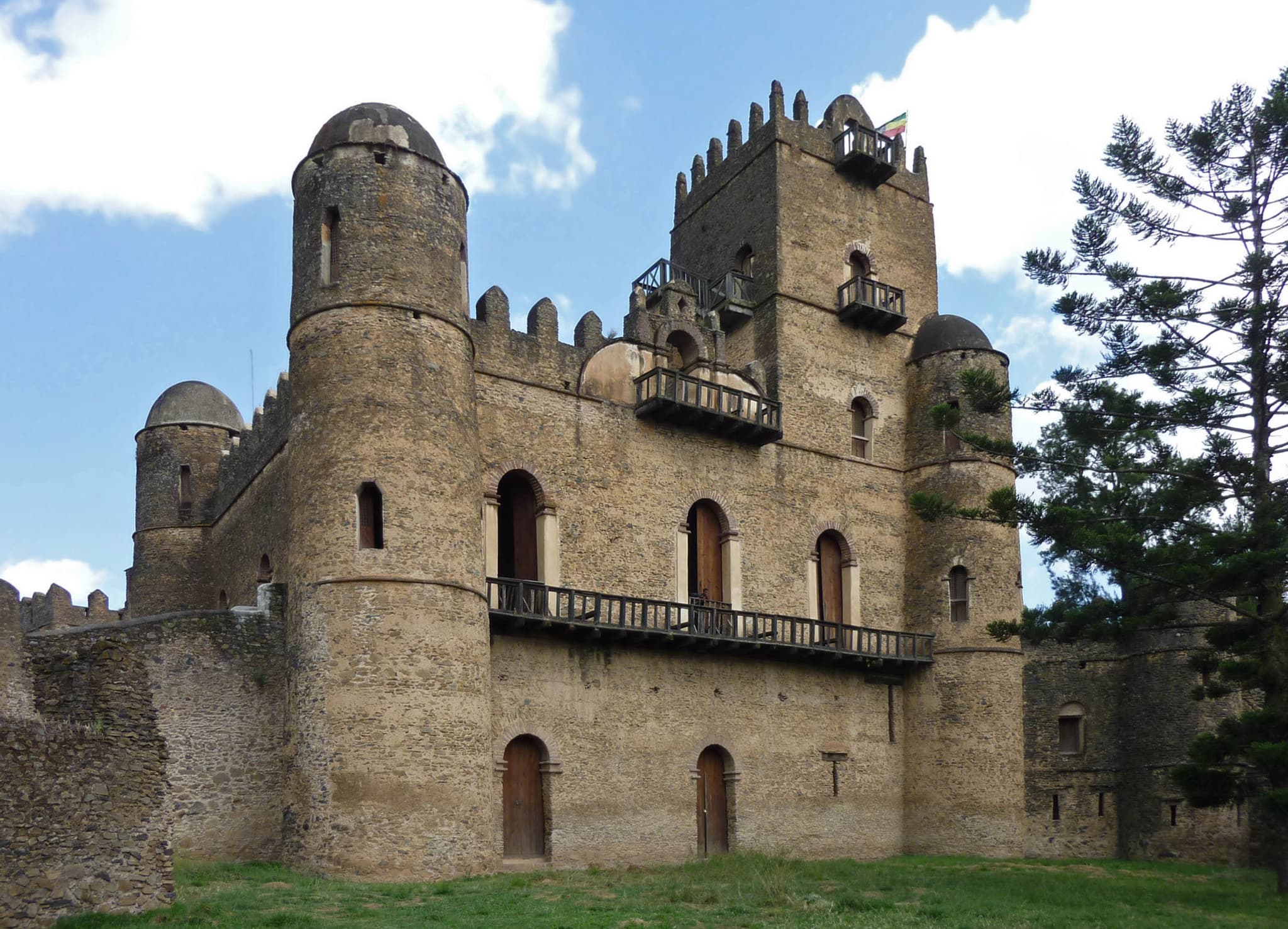
Fasil Ghebbi (Royal Enclosure / historic Royal Compound) is the royal enclosure associated with Emperor Fasilides and the Gondarine period. It is a UNESCO World Heritage Site and the core of Gondar’s imperial story, with castles, compounds and stone architecture that define the city’s royal identity.
Fasilides’ Bath (Fasil’s Pool) is a historic bath and pool complex with particular cultural significance during Timkat celebrations centred on the site. Outside festival time it remains a key heritage stop on Gondar itineraries, combining architecture, gardens and ceremonial history.
Debre Berhan Selassie is one of Gondar’s most remarkable historic churches. Its painted ceiling of winged angel faces is the detail most consistently highlighted by visitors and guides, and the church remains an active place of worship within Gondar’s religious landscape.
Kuskuam is associated with Empress Mentewab and forms another chapter of Gondar’s royal history beyond Fasil Ghebbi. The ruined palace and church complex sit on higher ground above the city, offering a quieter heritage stop and a different perspective on Gondarine power and patronage.
Woleka is historically associated with Ethiopia’s Beta Israel community. Visits are framed as a cultural stop emphasising heritage, history and respectful encounter — living heritage beyond monuments, typically on the way north toward Debark and Simien. Programmes focus on listening and learning rather than staged performance.
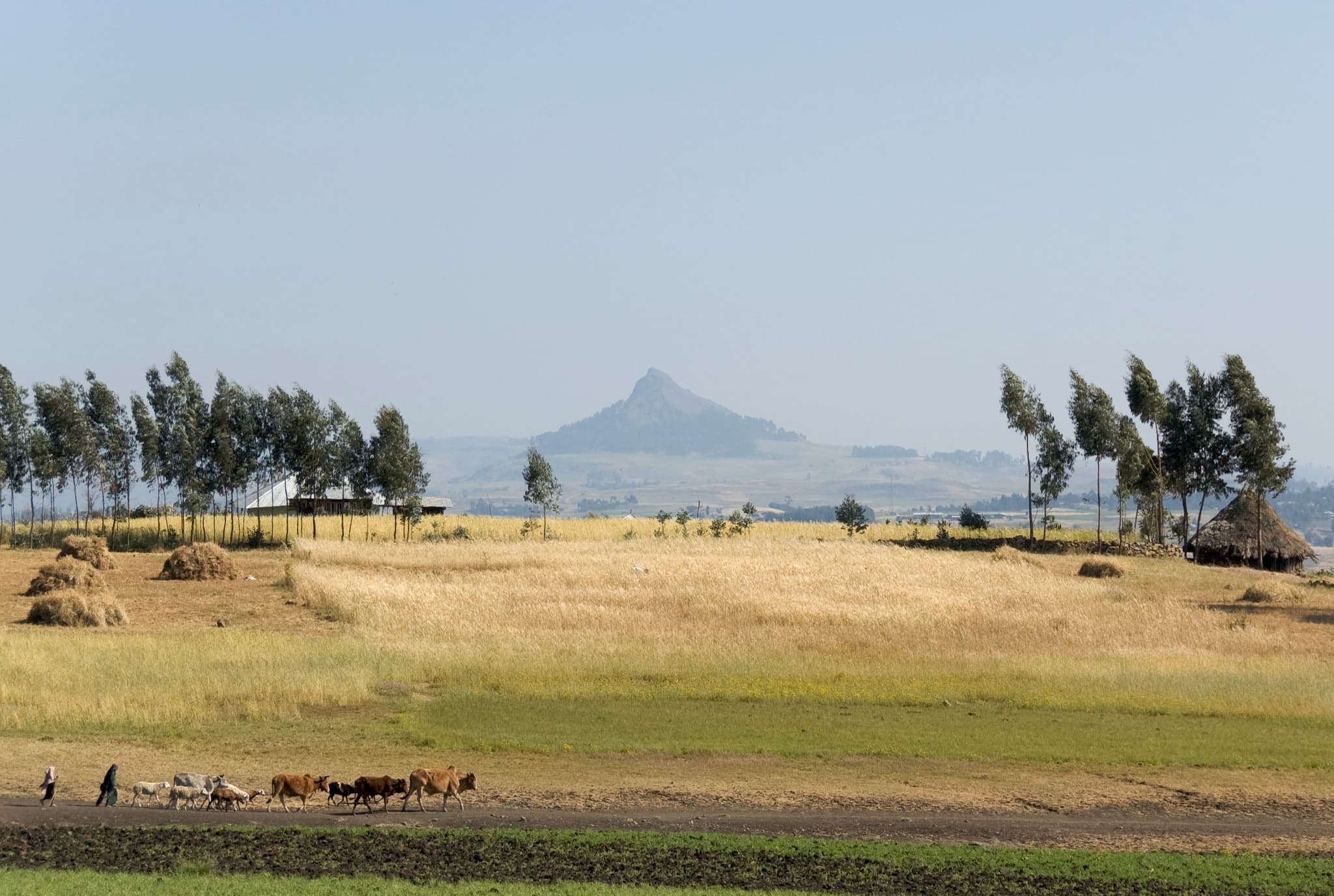
The Kosoye Mountains / Kosoye highlands offer rural Ethiopian life, village visits, farmland walks and mountain landscapes beyond Gondar’s castles and busy streets. Programmes include village visits, coffee ceremony, traditional food tasting, countryside walking and cultural interaction — positioned as community-based, not a staged cultural show. Half-day (approximately 4–5 hours) and full-day (approximately 7–9 hours) formats are available.